
Yakshini
Also known as: Yakshi · Yakṣiṇī
Yakshini spans classical nature-spirit iconography and later regional legends of the night-walking seductress.
- Region
- Kerala
- State
- Pan-Indian / Kerala variants
- Danger
- Medium
- Habitat
- Forests, treasure sites, temple sculpture, crossroads, later roadside night tales
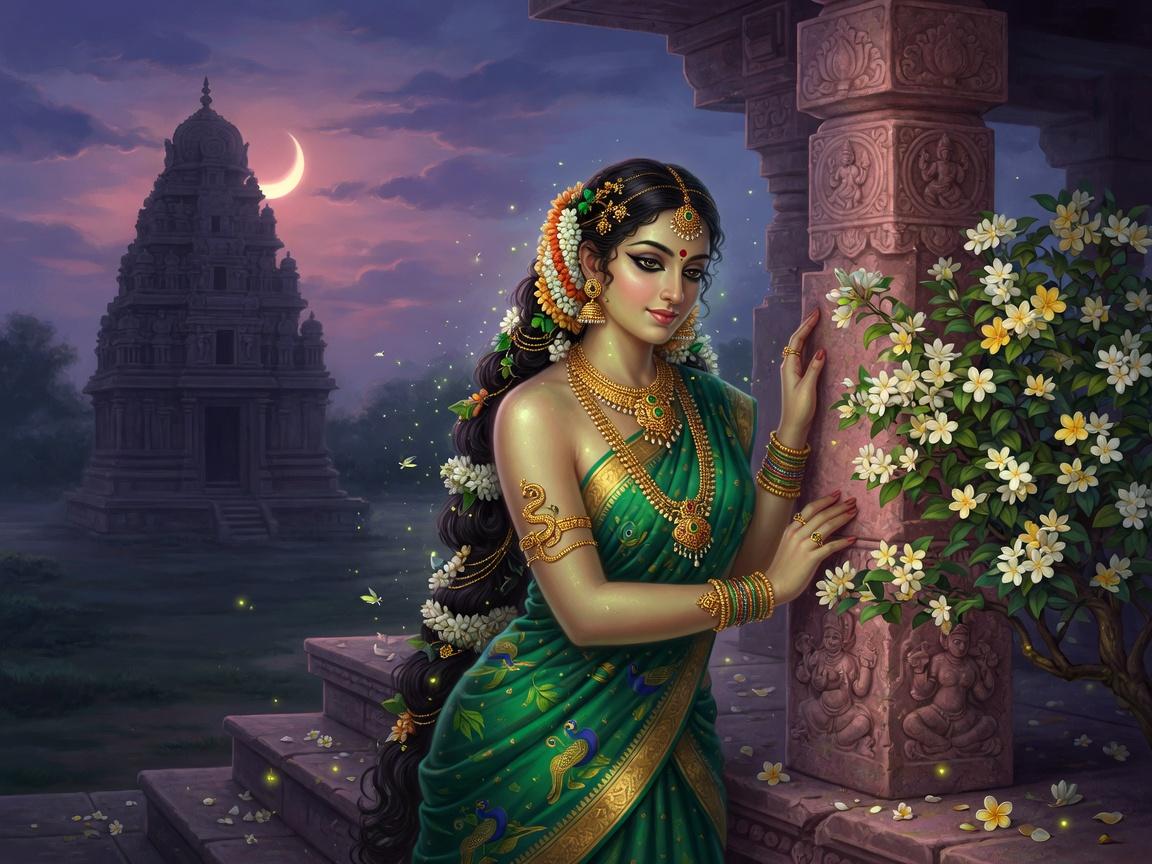
Appearance
In classical art, often a beautiful nature spirit. In some South Indian ghost tales, a seductive night figure whose true form is deadly—two layers that should not be collapsed without care.
Behavior
Ambiguous across history: fertility, wealth, and auspicious presence in temple culture; predatory or tragic lure in later regional ghost narratives.
Origin
Ancient yaksha/yakshini beings of Indic mythology, later reinterpreted in regional oral traditions, especially in South India.
Full Account
Yakshinis appear on temple walls as auspicious beings of nature, fertility, and abundance. That visual and religious history is older than modern ghost cinema.
In later South Indian oral tales, the yakshi may become a night-time presence on lonely roads—beautiful, persuasive, fatal. This is an example of how mythic categories evolve inside living folklore.
BhootKosh keeps both layers visible: temple Yakshini and regional ghost Yakshi are related by name and motif, but not always the same cultural object.
See also Mohini Yakshi for Kerala’s famous night-road tradition.
Cultural Notes
Separate temple/iconographic Yakshini from modern horror-film Yakshi when documenting sources and dates.
Sources & References
Indic mythology; South Indian oral variants (composite educational entry).
Related Spirits

Nagin
Rajasthan · Pan-Indian popular lore
Nagin lore blends ancient naga belief with popular shape-shifter romance and revenge tales.
View entry →
Mohini Yakshi
Kerala · Kerala
Mohini Yakshi is Kerala’s famous night-time spirit of lonely roads—beauty as lure, landscape as stag…
View entry →